
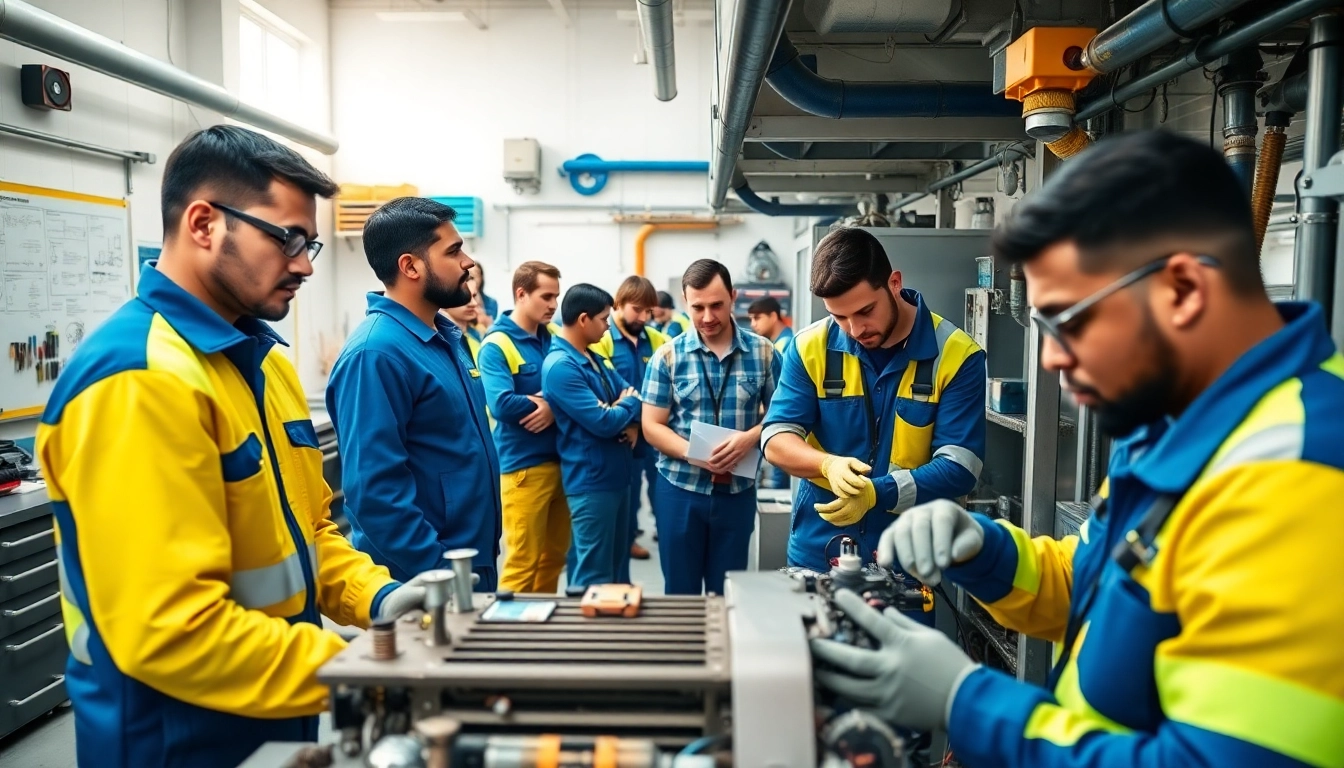
Understanding HVAC Technician Training
What is HVAC Technician Training?
HVAC technician training equips individuals with the knowledge and skills needed to install, repair, and maintain heating, ventilation, and air conditioning systems. These systems are crucial for ensuring comfortable indoor environments in residential, commercial, and industrial settings. The training typically includes a combination of classroom instruction and hands-on experience, where students learn to understand complex systems, troubleshoot issues, and apply industry-standard practices. With the rapid advancement in technology, this training incorporates the latest techniques and tools used in the field, ensuring technicians are well-prepared for modern challenges.
Benefits of HVAC Technician Training
Investing time and resources into hvac technician training offers numerous benefits:
- Job Security: HVAC technicians are in high demand due to the essential nature of their work, leading to stable job opportunities.
- Lucrative Salaries: Skilled HVAC technicians earn competitive wages, particularly with experience and specialized certifications.
- Diverse Career Paths: The training opens doors to various roles, including installation, maintenance, sales, and management.
- Continuous Learning: The HVAC industry is constantly evolving, offering technicians opportunities for ongoing education and skill enhancement.
- Hands-On Experience: The practical component of training allows students to apply theoretical knowledge in real-world scenarios.
Key Components of HVAC Technician Training
HVAC technician training programs typically cover several key components to ensure comprehensive skill development:
- Understanding HVAC Systems: Students learn the principles of heating, cooling, airflow, and humidity control.
- Electrical Fundamentals: Basic electrical knowledge is crucial for troubleshooting and repair of HVAC equipment.
- Refrigeration Cycle Knowledge: Understanding the refrigeration cycle is vital, especially for air conditioning and refrigeration systems.
- Local Codes and Regulations: Knowledge of local building codes and safety regulations ensures compliance and safety in HVAC work.
- Green Technologies: Programs incorporate training on energy-efficient systems and sustainable practices.
Essential Skills Acquired During HVAC Technician Training
Technical Skills Developed in HVAC Technician Training
Technical skills are at the core of HVAC technician training. Key skills include:
- Installation Techniques: Learning how to install a variety of HVAC systems, including central air conditioning units, furnaces, and ductwork.
- Troubleshooting: Developing the ability to diagnose problems quickly and accurately ensures effective repairs.
- System Maintenance: Understanding routine maintenance practices, including filter changes and system checks, to prolong equipment life.
- Use of Diagnostic Tools: Proficiency in using tools such as multimeters, pressure gauges, and welding equipment.
Soft Skills in HVAC Technician Training
In addition to technical expertise, soft skills are equally important in HVAC technician training:
- Communication: Effectively communicating with clients to ascertain needs and explain service work.
- Problem-Solving: Aptitude for critical thinking and creative solutions in unexpected situations.
- Time Management: Managing schedules efficiently to complete jobs on time while balancing multiple service calls.
- Customer Service: Building rapport with clients to establish trust and encourage repeat business.
Certification and Licensing Requirements
Most states require HVAC technicians to obtain specific licenses and certifications. These certifications often include passing an exam that tests knowledge of HVAC systems, safety practices, and state regulations. Common certifications include:
- Environmental Protection Agency (EPA) Certification: Required for handling refrigerants.
- NATE Certification: Recognized nationally and indicates a high level of technical knowledge.
- State Licenses: Varies by state; some require specific educational backgrounds and examinations.
Learning Methods in HVAC Technician Training
Classroom vs. Practical Training
HVAC technician training typically involves a blend of classroom learning and practical training. Classroom sessions focus on theoretical knowledge, covering topics such as HVAC principles, system components, and safety measures. In contrast, practical training provides hands-on experience, allowing students to apply what they’ve learned in real-world environments. This dual approach ensures that technicians are well-rounded and capable of tackling various challenges on the job.
Online Learning Opportunities in HVAC Technician Training
With advances in technology, online learning has become an increasingly popular option for aspiring HVAC technicians. Many institutions offer online courses that cover foundational knowledge, supplemented by in-person lab sessions. This flexibility allows students to learn at their own pace while still receiving the hands-on training needed to succeed in the field. However, it’s crucial to choose accredited programs that provide a well-rounded education and prepare graduates for licensing exams.
Choosing the Right Training Program
When selecting an HVAC technician training program, consider the following factors:
- Accreditation: Verify that the program is accredited and recognized in the industry.
- Curriculum: Ensure that the curriculum covers both theoretical and practical components extensively.
- Instructor Qualifications: Instructors should have relevant experience and qualifications in HVAC technology.
- Job Placement Assistance: A program that offers job placement services can significantly enhance job search success after graduation.
- Flexibility: Consider programs that offer flexible class schedules, accommodating those who may be working while studying.
Industry Applications and Career Paths After HVAC Technician Training
Common Industries Hiring HVAC Technicians
Graduates from HVAC technician training programs can find opportunities in various industries, including:
- Residential Services: Working in homes for installation, maintenance, and repair of HVAC systems.
- Commercial Buildings: Ensuring the HVAC systems in office buildings, schools, and hospitals function efficiently.
- Construction: Collaborating with builders and architects to design and install HVAC systems in new constructions.
- Manufacturing: Maintaining HVAC systems in facilities that require precise climate control for operations.
Job Roles Available After HVAC Technician Training
After completing HVAC technician training, graduates can pursue various job roles, such as:
- HVAC Technician: Installing and repairing various HVAC systems.
- Service Technician: Focused on diagnosing and fixing HVAC equipment issues.
- Installation Technician: Specializing in the installation of HVAC units and systems.
- Sales Representative: Selling HVAC systems and services, utilizing technical knowledge to guide customers.
- System Designer: Planning and designing HVAC systems for residential and commercial buildings.
Long-term Career Prospects
The long-term career prospects for HVAC technicians are promising. As technology advances, there will be an increasing demand for technicians skilled in energy-efficient systems and smart-home technologies. Many technicians also choose to specialize in areas such as residential HVAC systems, commercial refrigeration, or green technologies, further enhancing their job security and earning potential. Additionally, with experience, many technicians transition into supervisory or management positions, offering even greater career advancement opportunities.
FAQs About HVAC Technician Training
How long does HVAC technician training typically last?
HVAC technician training durations can vary, typically ranging from 6 months to 2 years, depending on the program’s comprehensiveness and whether it’s a certificate or degree program.
What are the costs involved in HVAC technician training?
The costs for HVAC technician training can range from $1,500 to $15,000, reflecting factors like program length, institution, and location. Include materials and certification fees in your budgeting.
Do I need prior experience to enroll in HVAC technician training?
No prior experience is typically required for entry into HVAC technician training programs, making this an accessible field for aspiring technicians.
How can I fund my HVAC technician training?
Funding options for HVAC technician training include federal and state grants, scholarships, student loans, and employer sponsorship programs. Research available options early.
What certifications can I earn through HVAC technician training?
Common certifications available after HVAC technician training include EPA certification for refrigerant handling, NATE certification for technical competency, and state licensing as required.
About the Author