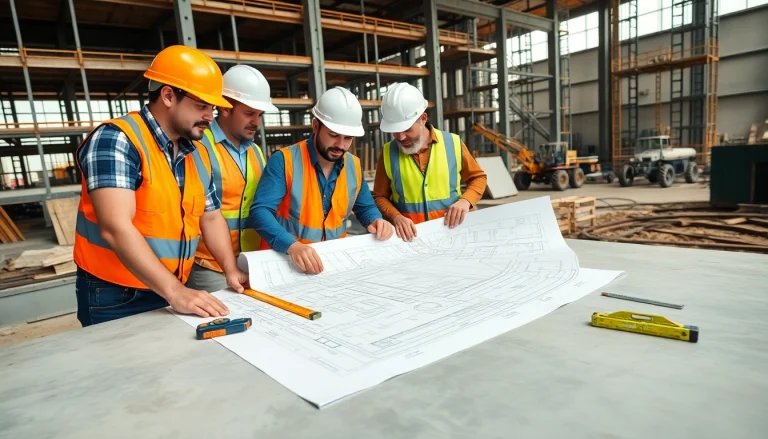

Understanding the Fundamentals of Construction Management Training
What is Construction Management Training?
Construction management training is an educational program designed to equip individuals with the knowledge and skills needed to effectively manage construction projects from inception to completion. This training covers a range of topics crucial for success in the construction field, including project scheduling, budgeting, risk management, quality control, and team leadership. With the growing complexity of construction projects, professionals are increasingly turning to construction management training as a pivotal resource for developing essential competencies.
The Importance of Certification in the Industry
Certification in construction management serves as a benchmark for competency and professionalism. It demonstrates to employers and clients that an individual possesses the requisite skills and knowledge to manage construction projects effectively. Certifications such as Project Management Professional (PMP) or Certified Construction Manager (CCM) are recognized worldwide and often lead to improved job prospects and potential salary increases. Moreover, certification reinforces the commitment to continuous learning and adherence to industry standards.
Key Skills Developed Through Training
The breadth of skills attained through construction management training is extensive. Participants learn essential leadership skills to motivate project teams, critical thinking skills for problem-solving, and financial acumen to oversee budgets. Additionally, students gain proficiency in using construction management software, enhancing productivity and communication. These skills are vital for navigating the complexities and challenges inherent in the field.
Core Components of Effective Training Programs
Curriculum Overview: What to Expect
An effective construction management training program typically includes a varied curriculum that combines both theoretical and practical components. Topics may cover construction law, contract management, safety regulations, and sustainable practices. A well-rounded curriculum ensures that trainees gain a holistic understanding of the construction process, enabling them to address multifaceted challenges efficiently.
Hands-On Learning: Workshops and Real-World Scenarios
Integrating hands-on workshops and case studies into training programs is essential for reinforcing theoretical knowledge. Participants often engage in simulated project environments that replicate real-life scenarios. This experiential learning enables trainees to apply their skills in managing schedules, budgets, and resource allocation, fostering confidence and competence.
Instructor Qualifications and Learning Environments
The caliber of instructors is critical to the success of any training program. Ideally, instructors should possess extensive industry experience and relevant academic credentials. Learning environments also play a significant role; whether in person or online, they should facilitate interaction and collaboration among participants. Supportive learning communities encourage knowledge sharing and networking, enriching the educational experience.
Challenges in Construction Management Training
Common Barriers to Effective Learning
Several barriers can hinder effective learning in construction management training. These include a lack of access to quality programs, financial constraints, and time limitations faced by working professionals. Addressing these barriers often requires the development of flexible training schedules and financial support options such as scholarships or employer sponsorships.
Addressing Diverse Learning Styles
Individuals learn differently, and effective training programs must cater to diverse learning styles. Incorporating a mix of visual, auditory, and kinesthetic learning strategies can enhance understanding and retention. Providing materials in various formats, like lectures, videos, and hands-on exercises, ensures that all participants benefit from the training.
Managing Time and Resources During Training
For many professionals pursuing construction management training, balancing education with work responsibilities can be daunting. Effective time management strategies, such as modular training that allows for part-time study, can ease this burden. Additionally, utilizing online training resources can offer flexibility, enabling participants to learn at their own pace while maintaining their job commitments.
Best Practices for Implementing Training Programs
Creating a Structured Learning Path
A structured learning path is essential for guiding participants through their training journey. This path should clearly outline core competencies, specified learning objectives, and milestones to measure progress. When learners have a defined trajectory, they are more likely to stay engaged and motivated to complete their training.
Utilizing Technology in Training Methods
Technology plays a pivotal role in modern construction management training. The use of learning management systems (LMS), virtual reality (VR) simulations, and interactive online platforms can significantly enhance engagement and understanding. These technologies allow for immersive learning experiences that can replicate on-site scenarios, providing valuable insights for trainees.
Encouraging Participant Feedback and Adaptation
Soliciting participant feedback is vital for continuous improvement in training programs. Creating an open dialogue where learners can share their experiences allows trainers to adapt the curriculum to meet changing industry demands and participant needs. Regular evaluations can help identify areas for enhancement, ensuring the training remains relevant and effective.
Measuring Success in Construction Management Training
Key Performance Indicators for Training Effectiveness
To gauge the success of construction management training programs, organizations should establish key performance indicators (KPIs). Metrics such as participant satisfaction scores, completion rates, and post-training job placement statistics can provide valuable insights into program effectiveness. Furthermore, assessing the impact of training on workplace performance can help identify the overall return on investment.
Ongoing Education and Professional Development
The construction industry is dynamic, necessitating continuous education and professional development. Engaging in refresher courses and specialized training can help professionals stay current with new technologies, regulations, and best practices. Establishing a culture of lifelong learning within organizations promotes growth and adaptability among employees.
Case Studies: Successful Training Outcomes
Examining successful case studies can provide practical examples of the benefits of effective construction management training. By analyzing how trained professionals have led successful projects or improved safety records, stakeholders can better understand the tangible impacts of investing in training. These real-world examples can motivate other organizations to prioritize educational initiatives.
FAQs about Construction Management Training
What is the duration of construction management training programs?
Duration varies by program. Many courses can last from a few weeks to several months, depending on the depth and format of the training.
Are there online options for construction management training?
Yes, many institutions offer online training programs that provide flexibility for working professionals.
What certifications can be obtained through training?
Common certifications include Certified Construction Manager (CCM) and Project Management Professional (PMP), enhancing employability.
Is prior experience required for training?
While some programs recommend foundational knowledge or experience in construction, many cater to beginners as well.
How can I assess the quality of a training program?
Consider factors such as instructor qualifications, curriculum relevance, participant reviews, and success rates in job placements.
About the Author