Understanding the Basics of PPF Chattanooga
What is Paint Protection Film?
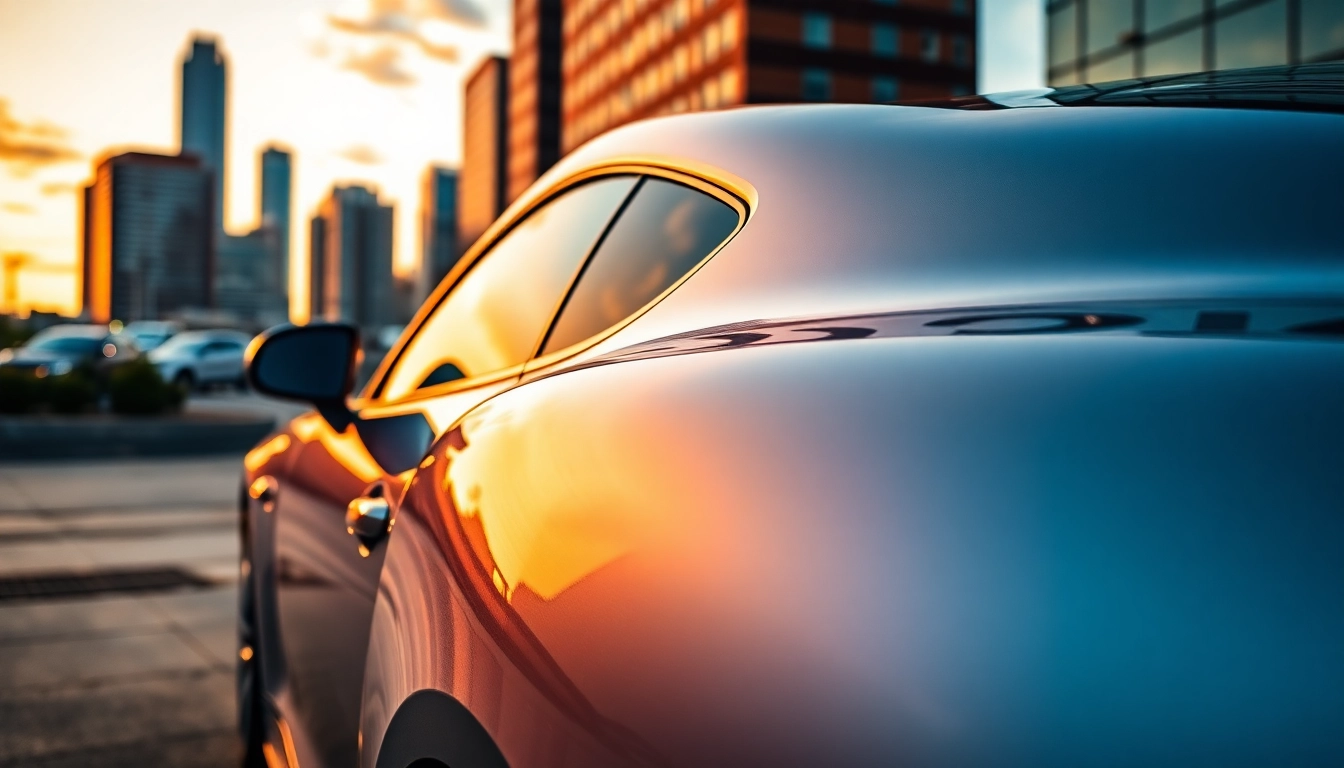
Paint Protection Film (PPF) is a clear, durable film applied over the exterior surfaces of vehicles to protect the paint from various environmental hazards. Originating from military applications, modern PPF is designed to withstand impacts, abrasions, and harsh weather conditions while maintaining the aesthetic integrity of your vehicle. The film is virtually invisible, allowing the original paint to shine through while safeguarding it against scratches, chips, and harmful UV rays.
How PPF Works to Protect Your Vehicle
PPF operates on the principle of self-healing technology, which means that minor scratches and abrasions can disappear over time due to the material’s unique properties. When the film is applied correctly, it adheres tightly to the vehicle’s surface, creating a barrier that absorbs impacts. This protective layer prevents contaminants like bird droppings, tree sap, and road debris from damaging your car’s paint. Additionally, PPF blocks UV rays, preventing color fading and keeping your vehicle looking new for longer.
Benefits of Using PPF Chattanooga
Utilizing PPF Chattanooga offers numerous benefits for vehicle owners. Firstly, it significantly reduces the likelihood of paint damage, preserving the vehicle’s resale value. Secondly, PPF is easier to clean than traditional paint surfaces, thanks to its smooth texture. Thirdly, the film can enhance the overall aesthetic by maintaining the car’s shiny appearance. Finally, PPF is a cost-effective solution as it often results in fewer trips to the body shop for repairs and refinishing.
Choosing the Right PPF for Your Vehicle
Types of Paint Protection Films
There are mainly two types of Paint Protection Films: self-healing and traditional films. Self-healing films are made from advanced polymer materials that heal minor scratches and abrasions with heat over time. Traditional films, on the other hand, offer basic protection without this self-repair capability. Additionally, PPFs come in different thicknesses, textures, and finishes, such as matte or gloss, allowing vehicle owners to select a film that aligns with their aesthetic preferences.
Factors to Consider When Selecting PPF
When choosing PPF for your vehicle, consider factors such as the local environment, driving conditions, and personal preferences. If you frequently drive in areas with heavy debris or extreme weather, a thicker, more durable PPF is advisable. Alternatively, if aesthetics are your primary concern, selecting a film with a high-gloss finish that enhances the paint’s depth may be preferable. It’s also essential to consider warranty options, as many quality films come with warranties ranging from 5 to 10 years.
How to Assess PPF Durability
To assess the durability of PPF, check its thickness, manufacturer reputation, and specific performance attributes such as scratch resistance and yellowing. A film with a standard thickness between 6 to 8 mils usually offers good protection. Moreover, reviews and testimonials from other users can provide valuable insights into the longevity and performance of different PPF brands, helping you make an informed decision.
Professional vs. DIY PPF Installation
Pros and Cons of Professional Installation
Professional installation of PPF has several advantages, including precision application, warranty protection, and access to high-quality materials. A trained technician can ensure that the film is applied without bubbles, creases, or misalignments, which can be challenging for novices. However, it can be more expensive compared to DIY methods. If budget constraints exist, careful consideration of the quality of work versus cost is essential.
Challenges of DIY PPF Application
While DIY PPF installation can save money, it comes with challenges. Novices may struggle with aligning the film properly, resulting in visible imperfections. Additionally, applying PPF in uncontrolled environments can lead to dust and debris getting trapped under the film, compromising its clarity and protective capabilities. Learning proper techniques through tutorials and investing in quality tools can mitigate some of these challenges.
Cost Comparison of Installation Options
The cost of installing PPF varies widely based on the vehicle type, coverage area, and whether you choose professional or DIY options. Professional installations typically range from $500 to $2,500, depending on the complexity, while DIY kits may cost between $100 to $500. It’s crucial to also consider long-term implications; investing in a professional job may reduce replacement costs down the line, providing better overall value.
Maintenance Tips for Longevity of PPF Chattanooga
How to Clean Your PPF Correctly
Cleaning PPF should be done using gentle, pH-neutral soaps and soft microfiber cloths to avoid scratching. Regular washing with the appropriate products helps maintain clarity and adhesion. It’s essential to avoid abrasive materials and high-pressure washers, which can damage the film. Additionally, ensuring that contaminants are removed promptly will prevent discoloration and degradation of the PPF over time.
Common Mistakes to Avoid with PPF
Avoid exposing PPF to harsh chemicals, as they can degrade the film’s properties. Using the wrong cleaning tools, such as brushes or rough sponges, can lead to scratches. Ensure that you don’t neglect maintenance—regular cleaning and touch-ups can significantly prolong the life of the film. Avoid parking your car in areas where it can be subjected to excessive damage, like near construction sites.
When to Consider PPF Replacement
Consider replacing your PPF if it becomes yellowed, visibly damaged, or starts to lift at the edges. A well-maintained PPF can last several years, but environmental factors may accelerate wear. If peeling or bubbling occurs, it’s crucial to consult a professional for assessment and possible replacement to ensure ongoing protection for your vehicle’s paint.
Future Trends in Paint Protection Technology
Innovation in PPF Materials
Future developments in PPF technology focus on enhancing durability and self-healing properties. Innovations include the use of graphene within the film to improve protection without compromising flexibility. These advancements help create films that can endure harsher conditions while remaining easy to maintain and clean, making them an appealing option for vehicle protection.
Environmental Impact of PPF
As sustainability concerns rise, manufacturers are developing PPF products designed with eco-friendly materials that minimize environmental impact. Biodegradable films are being tested, offering potential solutions that protect vehicles while also considering the ecological footprint. As consumer demand grows for sustainable products, the automotive industry is expected to adapt accordingly.
The Future of Automotive Protection
The future of automotive protection is shifting toward adaptive technologies, which entail coatings that respond to environmental stimuli. For instance, films that can change in opacity or color when exposed to different temperatures or UV levels are being explored. Ultimately, the continuation of PPF evolution holds promise for enhanced protection solutions tailored to modern vehicles’ demands.
FAQs About PPF Chattanooga
What is the lifespan of PPF?
PPF can last between 5 to 10 years depending on the quality of the film and the care it receives. Regular maintenance promotes longevity, ensuring your vehicle remains protected.
Can PPF be applied to older vehicles?
Yes, PPF can be applied to older vehicles, helping to preserve their paint condition. Ensure that any surface imperfections are addressed prior to installation for optimal results.
Is PPF visible on my vehicle?
High-quality PPF is virtually invisible once applied, allowing the original paint color and finish to shine through while providing necessary protection.
How do I remove PPF?
Removing PPF can be done by a professional, who will heat the film to loosen the adhesive and carefully peel it away without damaging the paint underneath.
Does PPF come with a warranty?
Many PPF products come with warranties ranging from 5 to 10 years, covering issues like yellowing, peeling, and cracking. Be sure to check the warranty specifics prior to purchase.
About the Author