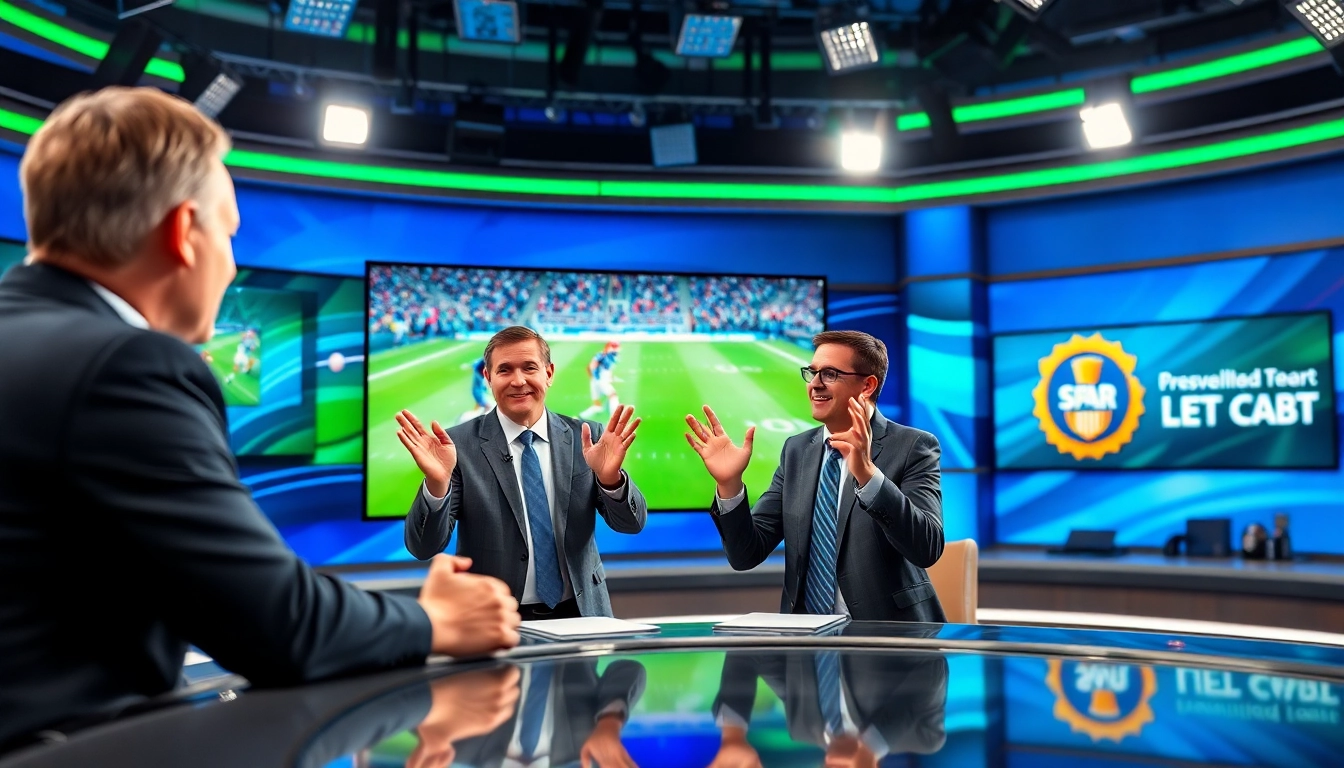
Understanding Sports Broadcasting
What is Sports Broadcasting?
Sports broadcasting refers to the dissemination of sports content to a mass audience through various platforms such as television, radio, and digital streaming services. This sector plays a vital role in enhancing audience engagement, providing instant access to live events, analysis, and highlights, and shaping the overall sports culture. With the rapid evolution of technology and changes in viewer preferences, Sports Broadcasting has become increasingly dynamic and influential, bringing together fans, athletes, and brands alike in unique ways.
The History of Sports Broadcasting
The roots of sports broadcasting can be traced back to the early 20th century when radio broadcasts began covering live sports events. The first significant sports broadcast occurred in 1921, when a boxing match was aired on the radio, captivating audiences. The television era followed, with the first televised sports event (a college baseball game) taking place in 1939. As technology progressed, sports broadcasting expanded into a global phenomenon with networks competing for exclusive rights to major events, thus establishing a direct relationship between sports leagues and broadcasting companies. The introduction of cable television further transformed the financial landscape, allowing dedicated sports channels to flourish.
Key Players in Sports Broadcasting
The sports broadcasting industry consists of several key players:
- Broadcast Networks: These are traditional networks like ABC, NBC, and others that provide extensive coverage of major sporting events.
- Cable Sports Channels: Networks like ESPN and Fox Sports that have built their identity around sports content.
- Streaming Services: Platforms like Amazon Prime Video and DAZN have emerged, offering flexible viewing options and exclusive sports content to viewers.
- Leagues and Teams: Sports leagues (like the NFL, NBA, and FIFA) and individual teams play a crucial role, often negotiating broadcasting rights and partnerships to maximize reach and revenue.
Current Trends in Sports Broadcasting
Rise of Streaming Services
The rise of streaming services has revolutionized the way audiences consume sports content. Traditional cable subscriptions have decreased as viewers gravitate towards on-demand platforms that offer flexibility and diverse programming. Streaming services are not only providing live sporting events but also creating original content, such as docu-series and analysis shows, that engage fans beyond just the games. This shift encourages customization and personalization in viewing experiences, allowing fans to choose what, when, and how to watch.
Integration of Social Media
Social media’s integration into sports broadcasting has bridged the gap between fans and sports entities. Platforms such as Twitter, Instagram, and TikTok allow networks to engage fans in real-time discussions, share highlights, and create interactive content. This two-way communication fosters a sense of community among fans, enhancing the overall viewing experience. Moreover, athletes are leveraging their platforms to connect personally with fans, turning them into influencers and amplifying their appeal.
Innovative Viewing Experiences
With advancements in technology, the viewer experience has been transformed through innovations such as augmented reality (AR), virtual reality (VR), and enhanced graphics. These tools provide immersive experiences that make fans feel as if they are part of the event. For instance, AR can be utilized to overlay statistics and player information during a game, enhancing real-time engagement. Similarly, VR can create simulated environments where fans experience games from unique perspectives, elevating the thrill of live sports consumption.
Challenges Facing Sports Broadcasting
Regulatory and Legal Issues
The sports broadcasting landscape faces numerous regulatory and legal challenges, especially surrounding broadcasting rights. Legal disputes may arise regarding the ownership of rights, leading to complicated negotiations between leagues and networks. Additionally, regulations regarding advertising (especially for gambling-related content) can affect how networks monetize their broadcasts, prompting immediate changes in strategies to remain compliant while maximizing revenue.
Addressing Viewership Decline
As audiences evolve and viewership patterns shift, addressing declining ratings for certain sports has become a pressing concern for broadcasters. Analysis of demographic trends indicates that younger generations are consuming sports differently, often prioritizing highlights and digital engagement over full event viewership. To combat this issue, networks must adapt by offering more engaging, bite-sized content that aligns with contemporary viewing behaviors and preferences.
Competing with Digital Content
The competition for viewer attention is more formidable than ever, as audiences are bombarded with an abundance of digital content. From online gaming to streaming shows, sports broadcasters must distinguish their programming to keep viewers engaged. This necessitates collaboration with tech companies to provide interactive features and unique content that complements live sports, offering a reason for viewers to choose their broadcasts over other digital forms of entertainment.
Best Practices for Sports Broadcasting
Engaging the Audience Effectively
Successful sports broadcasters recognize the importance of audience engagement. This involves utilizing data analytics to understand viewer preferences and behaviors. Regular audience feedback through polls and surveys can help tailor content in a way that resonates most with fans. Additionally, fostering interactive opportunities such as live Q&A sessions or fan contests can make audiences feel valued and connected to the broadcast.
Utilizing Technology for Live Events
Incorporating cutting-edge technology during live broadcasts can significantly enhance viewer experience. High-definition cameras, drone views, and sophisticated graphics make the action more engaging. Implementing real-time data feeds providing insights into game strategy or player stats adds depth to the commentary. Establishing a seamless blend of technology while maintaining an authentic sports narrative is crucial for captivating viewers.
Adapting to Changing Viewer Preferences
Staying ahead in sports broadcasting requires constant adaptation to shifting viewer preferences. Broadcasters can benefit from observing trends in audience consumption, such as the growing interest in esports. They should also consider creating diversified content offerings, including podcasts, video highlights, and behind-the-scenes interviews that cater to various audience segments’ needs and interests.
The Future of Sports Broadcasting
Technological Innovations on the Horizon
As technology continues to evolve, several innovations promise to reshape the future of sports broadcasting. Emerging technologies such as artificial intelligence (AI) and machine learning will assist in content customization and personalized recommendations, creating a more tailored viewing experience. Additionally, advancements in 5G technology will allow for higher-quality streaming and fewer delays, truly mimicking the experience of being in a live audience.
The Role of Data Analytics
Data analytics is becoming increasingly pivotal in shaping sports broadcasting strategies. Understanding viewer engagement patterns through data allows broadcasters to refine content delivery and develop targeted advertising campaigns. Analytics can also support sports organizations in making informed strategic decisions, thereby enhancing the overall ecosystem of sports broadcasting and viewership satisfaction.
Predictions for the Next Decade
Looking ahead, the next decade is expected to witness a hyper-personalization of the sports broadcasting experience. Fans may have the ability to customize broadcasts for individual athletes, teams, or even moments they wish to highlight. As fan engagement becomes increasingly centered around individual experiences rather than just team victories, the importance of catering to specific preferences and demands cannot be overstated, paving the way for even more innovations in how sports are consumed.
Frequently Asked Questions
What is the primary function of sports broadcasting?
The primary function of sports broadcasting is to provide live coverage and commentary of sporting events to a wide audience, enhancing fan engagement and accessibility to various sports.
How has streaming changed sports broadcasting?
Streaming has transformed sports broadcasting by allowing viewers to watch content on-demand and providing flexibility, leading to a decline in traditional cable subscriptions.
What role does social media play in sports broadcasting?
Social media enhances sports broadcasting by facilitating fan interactions, sharing content, and generating real-time discussions around events and performances.
What challenges do sports broadcasters face today?
Sports broadcasters face challenges including regulatory issues, declining viewership, and competition from diverse digital content platforms that attract audiences.
What does the future hold for sports broadcasting?
The future of sports broadcasting promises increased personalization, the use of AI for tailored content, and improved engagement methods using immersive technologies.
About the Author